Member Spotlight: Joon Jo (Pt 2)
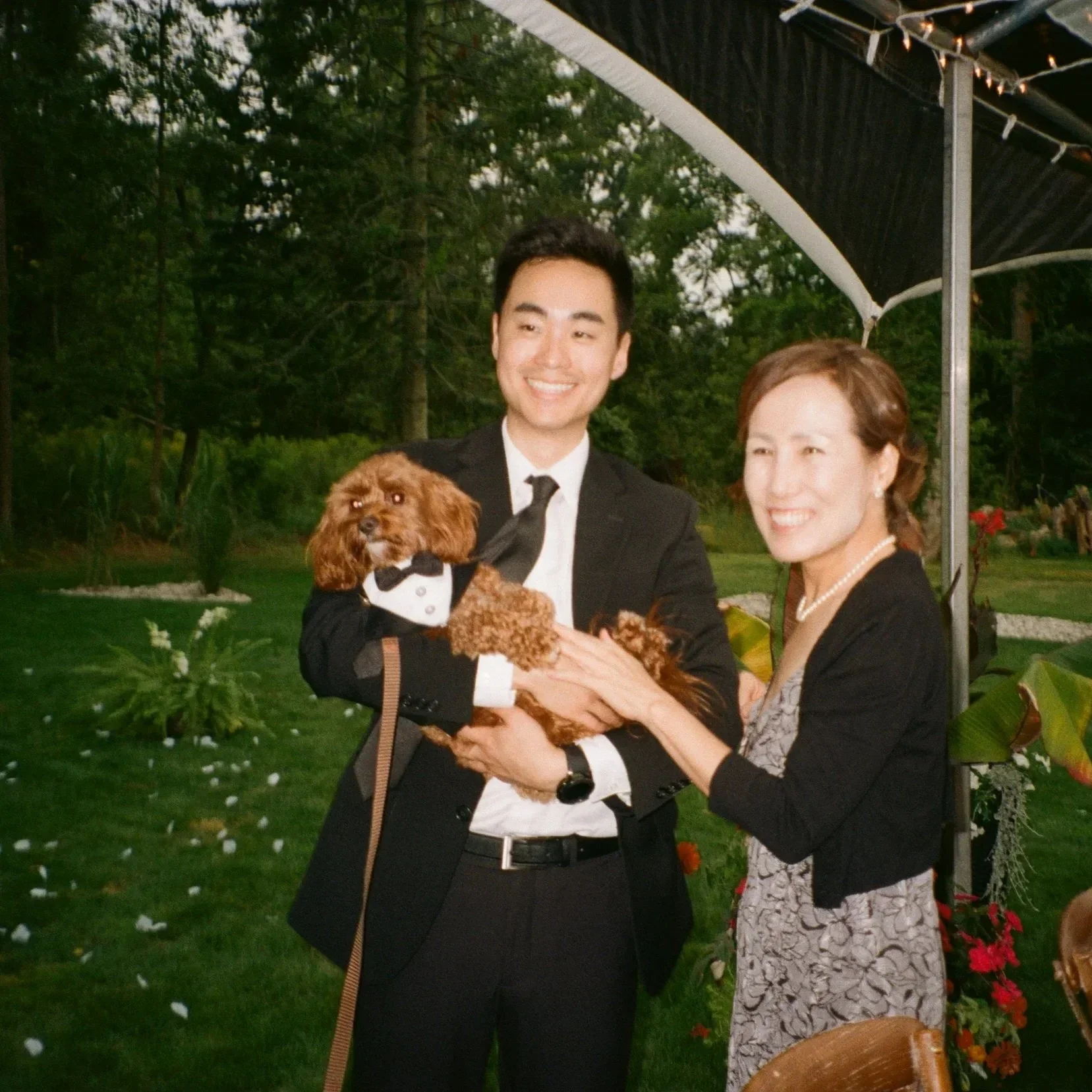
In part 2 of our conversation with Joon, we explore how people rebuild a sense of belonging in a new city.
We trace the shift from relying on familiar circles to intentionally widening community, show how meaningful relationships often start when you lower the stakes (show up, be a little vulnerable, aim for one real connection, and let the “after” moments do the work), and reflect on what it takes to hold space for diverse perspectives without turning everything into extremes—highlighting that growth comes from discomfort, curiosity, and learning to navigate conflict with empathy while still staying grounded in your values.
And that's how Outdoor Asian Chicago, a 501(c)3 nonprofit, came about!
To get involved with this amazing group, check out their instagram @outdoorasianchi and @chicagoasianathletics.
TRANSCRIPTION
Josh Park
00:00:02
That's a really good segue, actually, maybe into our community topic here. But I'm kind of curious. Okay, so I feel like our journey to Chicago is very, very similar because when I first moved to Chicago, Chicago, it was like tail end of the pandemic in 2021. I just felt so like my work was remote, my school was remote. I felt so out of place. And so I'm connected here in Chicago, so I that's sort of why I was desperate to you know work at a company that had an office in Chicago, but also was trying to build my own community, that's sort of how identity came along actually is because of that sense of connection that I was longing for. So I'm curious if you want to like reflect a little bit about your own experience first of all, like can you can you go back to like when you first moved to Chicago from Michigan, and then like what did you try um when you first moved.
Joon Jo
00:00:51
Yeah, I moved. After the pandemic, the first i guess like wave of it so it's 2021 November is when I uh started at Google and also moved back at the same time and I initially try to create community at my work, because similar to Salesforce and LinkedIn, like there's a lot more, you know, people in their mid early twenties, like, you know, early new career. They're a lot, also like minorities versus like someone like Toyota, like it. You know, very different demographic there, so at least, a tech company— I was hanging out a lot, doing rock climbing with my coworkers, because it's also a very tech thing. and um it was it was nice like it was like i found community through people at work uh the downside was i never got a break because i would go to the office and i would see you know my lovely co-workers and then after work we spend more time together and on the weekends i keep seeing them and again like individually i like you know a lot of them and we still hang out but now i have like a community i can invite them to um and a lot of them are also now like we're you know late 20s or early 30s mid-30s like you know a lot of them partnered up moving in their wives some of them have their first
SPEAKER_1
00:01:59
kids and stuff so i'm glad like i was able to find something to pivot out of because had i continued only at focusing on the coworkers i think it would have been a ticking time bomb i think i had like a year or two until they probably ironically it would have been a similar michigan scenario where people are graduating in a way to the next phase of life while june is over here just searching for meaning.
SPEAKER_1
00:02:22
But uh, yeah, so I I yeah that's all. I was trying, I'm part of our Asian Googler Network at Google, uh. So that was the other. My, you know, I was just trying to shoot wide. It was like, okay, I'm friends with my coworkers, I'm trying to meet people outside my department, so there's like, Asian Google Network, uh, and through Asian Google Network, I met you guys, like, through identity and meeting you guys, and trying to hang out with people there. Uh. It was kind of just like, I think it was kind of like practice slash like brewing slash like, you know, that's like a good connection.
SPEAKER_1
00:02:52
And then, kind of, I guess, timing-wise, it kind of blew up because like. people wanted outdoor stuff. And then that was like a segue into that, I guess.
Josh Park
00:02:59
Yeah, that was the next question about, like, how did you get involved with? Outdoor Asian Chicago is this like something you started from the ground up or was it like a founding chapter in Chicago.
Joon Jo
00:03:15
Yeah, so Outdoor Asian is a 501c3 nonprofit.
SPEAKER_1
00:03:21
exists nationally but generally is in areas that have more outdoor communities, so the Seattle you know places in California, Utah, these more mountainous kind of western I had never really thought about doing that, but this uh Couple from Seattle are moving to Chicago, and there's a subtle Asian Chicago. Which, if people don't know the lore, um, I'm sure you guys do. It's like subtle Asian culture started in Australia back like when I was in high school. Uh, so it was like these eight Australian students. I could probably get the number wrong, but you know, a handful of Australian students that wanted to post—probably memes about what it means to be 'solid Asian.' You know, so like, not sleeping with a fan, or taking your shoes off, or measuring rice with your finger instead of a cup. Uh, but ended up getting really popular, so like a bunch of people joined in Australia, and then, you know, internationally it blew up, so I think they have like millions of people in this level Asian group. Uh, and then they even have like a dating version. But, so every major city and probably smaller cities they have their own chapter.
SPEAKER_1
00:04:23
Chicago has 16, 000 people, I think. When I joined it four or five years ago, there was maybe 13,000. But yeah, it's still growing. The Chicago.
SPEAKER_1
00:04:32
Uh, subtle Asian traits.
SPEAKER_1
00:04:35
From what I understand, I'm friends with all the admins now and the founder of it. He originally created it for people to kind of go out partying together. um and they admit that like they wish that they had expanded to more than just like drinking because chicago like you know it's only summer for like three four months and then the remaining is not always the best weather so there was a naturally you know high demand for people to drink and go out to bars. There's, concert scene here is a really big one. There's a lot of art and you know, there's a lot of music. It's really great.
SPEAKER_1
00:05:04
um the the couple that was moving from seattle was just like never been to chicago and they were like hey we're trying to do more outdoor stuff we're moving to this new city does anybody want to outstore stuff The unexpected thing was they had posted that in 2024 May. And it blew up. The post had like, you know, several thousand people commenting and, you know, liking and interacting. And then, so she reached out to the admins of it, saying, 'Can I actually start a group chat?' Because of the outdoor interest, and then the Emmons were like, 'No, they're like, yeah, that sounds good.' So she started the group chat. I was in the initial group chat. There was only like 20, 40 of us. And the first 48 hours, like pandemonium, there was just like people being like. Should we go rock climbing? Should we go kayaking? Should we go mushroom forging? Should we go hunting? Should we go? It was just like, 'Oh yeah, yeah,' all over the place, and there was, because we, none of most of us, didn't know each other.
Josh Park
00:05:59
Okay, so let's get back to it. Sorry for the hiccup. There but June you were mentioning, uh, like everyone wanted to do everything with this newly created outdoor cat.
Joon Jo
00:06:09
Yeah, yeah. So there was like 20, 40 people in the chat, you know, messaging about all these different activities. And the original couple that moved to Chicago, they're very kind people, and were trying to entertain everybody's requests. But.
SPEAKER_1
00:06:25
I had, I guess, more experience living in Chicago, so I kind of asked, 'Can we just do we want to do something local so we can all meet and get to know each other before we hop into a car and come into a car and go to like Uh. You know, the closest state park here is probably like.' 45 minutes to three hours away. Um, so I suggested, maybe we can walk from North Avenue Beach to Ohio Street Beach.
SPEAKER_1
00:06:50
Just because it's, like, a pretty leisurely walk, like a 25-minute walk.
SPEAKER_1
00:06:54
Or plus, if you want to walk slower. It's easily accessible for people that need to be dropped off or they have the privilege to have a car and park or they want to ride a bicycle or scooter or take CTA bus or train. It's pretty accessible to get there. You don't have to get into a car with a stranger. Or spend a whole four hours to a whole day hanging out with them without knowing if you're going to actually even. Have a good time and that became like the popular vote. People are like yeah.' We all have access to, like, um, North Avenue Beach Area. So let's do that. So I helped set up the route because people were kind of, I guess, saying, 'It seems like this guy kind of has been here for a bit.' So I was like, 'Yeah, I'll show you kind of what it looks like.' And so we had an agreement to meet up at. The chess pavilion in North Avenue, and originally only seven to eight people were gonna come out. I've lived 20, 40 people, but we have 45 plus people. At the first stop, and then we walk south.
SPEAKER_1
00:07:53
Uh, and there was another like 20 to 40 people waiting at the Ohio Street Beach, which is like great. Um, because the reason I also picked those two ends was because I figured the people that are in Lincoln Park Lakeview and more north they can meet up at the first stop, and then people that are more downtown and maybe you know south loop and stuff they can meet up as a second stop. So that way we go south and then we can go north again. We can pick up the people. It also helps like divide up. So then people that are walking from north to south maybe you can have more time to get to know each other. Then we can you know have like a base of people. And then we can meet more people going north. And then people going north, you know, There's a lot of ways people can kind of like dip out, you know, if they really connect with someone, they can. Go to a restaurant or something, but everybody kind of stays together and then, uh, unexpected people want to grab food and, uh. So we're like, OK, let's try to find something. And again, because I grew up here and I know this area, I suggested like we can go to this dim sum place that has a lot of seating. So we went there. It was really fun. And then we got really close, even just from the first day. The people that moved from Seattle within like that day, they asked me.
SPEAKER_1
00:08:56
Um, if I would want to do this like hosting thing again, and they actually told me that they did have a vision, which was the alteration. So the alteration again is like a you know 101 or sorry 501(c)(3) non-profit that's national chapter— it doesn't usually exist in these middle you know midwest kind of flat ground. Um, but they saw the potential because we had like you know 45 people come out of a group shot that only had like 20 40 people. Um, going up to like 65 people in a day. So we're like, okay, they were thinking like maybe we can do this as like a like a non-profit. I told them from the get-go that I don't have bandwidth to do this and it's not necessarily my passion— like I want to help connect. People, but I don't necessarily have the brain space or the passion for creativity to try to like manage the administrative and get funding and do all this stuff. I've done a little bit of that in college, and I just didn't love it. If I were to do it, it has to be something in engineering, because I know and I'm passionate about math and science, but this is way outside of that.
SPEAKER_1
00:09:56
So they wanted to continue it, and I continued to be involved in it. And then I also started doing more sports. So I grew up physically active. I hosted those, and then we just kept growing the community. And then, so it went from 20 to 40 people. And within six months, it grew to 1,100.
SPEAKER_1
00:10:15
WOMB! and then yes, yeah.
Josh Park
00:10:17
What is that? A thousand?
Joon Jo
00:10:21
Yeah, yeah. So I think I remember, especially because we started at the end of May, and the start of June. I was accepting and checking profiles because I had to make sure they were not scammers or you know just people that were just going to like.
SPEAKER_1
00:10:37
Maybe it's not a virus, because we actually get money out of people. And so we had to restrict it to invite only. Or like, um, I had to approve every single profile that got in. So I looked through literally— i mean, now it's at 1500, but I have to look through all 1500 profiles. Which is funny, because like, when I meet people, and they're like, 'how do you, how do you kind of like know me?' I'm like, 'Oh yeah, I look through everyone's profile. Um, so whatever was publicly available, I have a little bit of like, knowing of who they are, just to make sure they were legitimate people, and Yeah, Jun, you are probably one of the most popular guys I know here in Chicago.
Josh Park
00:11:05
Like, your birthday? I have never seen a birthday invite that big.
Joon Jo
00:11:09
It's so funny. You're so funny, no no. You guys both so like too. I mean, that's the only reason I accepted this. Like, hey, you want to hop on this like podcasting? I'm like, for Ray Ray and Josh, let's do it. Um, like, one of the main reasons I came back to the identity stuff was because uh, I met you and Josh, and I was like, I really like these two people. Like, you know, there was like 30, 40 people at your guys' first event, which is really good. Like, fantastic for the. like an indoor event without like, you know, the lake view and stuff. But, uh, I remember I connected with you guys and I was like, I got your guys' information. I was like, oh, let's hang out after. Even, I remember, like, Ray Ray and her, um, significant other was in town, so, like, we ended up grabbing food together and stuff, too, which was really nice.
Rae Rae
00:11:49
Yes.
Joon Jo
00:11:50
I feel like that's all it takes.
Josh Park
00:11:53
Yeah, that's where all the connections really build from. Like it's not necessarily the structured format. It's really the organic extension of like these networking events. where you truly start to like connect with people. And if people want to build or network or people want to build community, like they have to be willing to kind of stay.
Josh Park
00:12:13
that f after effect for that like magic spark to like ignite that's how it's been yeah and we're here now like three years after it's been like so much fun um but yeah that left like quite an impression was just even like going to your guys' Events I was like, okay, I see that there's like 30 people here, and even if I only connect with like one or two of you guys, like that was such a meaningful you know transit out you know showing up and maybe being a little vulnerable like just making one good connection or two good connections like that's that's worth it yeah Right.
Josh Park
00:12:43
That's actually a goal that my old ERG, we try to put, we were like, as long as you make one friend. That's all we care about. And that's something I've been trying to do at LinkedIn, which was like, for new members, it's like, just connect with one person, like keep, keep it small, make it intimate, make it meaningful. And then it's going to open like a lot of doors.
Rae Rae
00:13:02
Yeah.
Rae Rae
00:13:03
I guess with that though, like, do you ever feel not as extroverted and like debate on going attending these events or gatherings like, What makes you change your mind and be like, no, like, I'm going to do that even though I'm not feeling as social?
Joon Jo
00:13:21
Yeah, that's a good question.
SPEAKER_1
00:13:23
It's interesting because I grew up really shy, mostly also because I got bullied and stuff, growing up. Uh, my oldest sister again being a big influence, she told me when I was Around the same age, like 11 or so, and she was going through this crisis of like, I don't want to be a lawyer. And she was just passing down all her learnings to me and my younger sister. My other sibling was. So one of them was, she told me that extroverted people seem to have more success. So I would force myself. When I was 11, I would talk to one stranger at my middle school.
SPEAKER_1
00:13:55
And I remember like, it was like Monday, Tuesday, Wednesday passed. And it's like Thursday going to school. I'm like, I told my sister I was going to talk to someone. I haven't done it yet. And then so like my first few times, like I was next to my locker. And the guy next to me, I close my locker. I'm awkwardly standing there. And the guy's just minding his business, doing his locker thing. And I just turned to him and said, 'Hi.' And then he kind of was like, 'Oh, hey, yeah.' And then it was, 'Oh my gosh, they did it in the middle.'
Josh Park
00:14:22
I feel like that's like the worst time because, like, the middle schoolers are so savage. It's so awkward.
Joon Jo
00:14:28
Yeah. So I got more bullied for the right, but for the right reason, I'm just kidding. So, so that, I think that was like similar to what we talked about. I was like, 'You know, even making one friend, like even that initial, just breaking the ice with the guy next to me.' I don't remember exactly what happened, but I remember that was being like a really stressful time for me because I'm heading up for my oldest sister. I would definitely not be, you know, as like outspoken and out there as I am now. Yeah, I just remember like that first week or two of being the LV. I'm like, I really don't want to do this. But I'm like, hey.
SPEAKER_1
00:15:01
And they're like, hi. And I'm like.
SPEAKER_1
00:15:04
How's it going?
SPEAKER_1
00:15:06
Um, but now it's like, no, it's organic. Thank you.
SPEAKER_1
00:15:09
Like I, I generally am curious about people and, you know, if I get good vibes, like I'll ask about them and when I get to know them.
SPEAKER_1
00:15:15
Um and like you mentioned, I think it's really important to like show up to events where you're not going there to try to find a job. You're not going there to find like a boyfriend or a girlfriend or whatever.
SPEAKER_1
00:15:24
i think it's important to like approach it as like you're there and if things don't go well you're welcome to leave and if things do go well that's great like you don't really have much to lose aside from like your time and you know obviously except it comes from a privileged place because like obviously we all have free time to put ourselves out there but It's just like not putting too much stress on yourself to try to you're checking off something just like show up and It's kind of like mess around and find out.
Josh Park
00:15:48
Well, I'm very curious because like I actually my childhood was very similar to yours. Like I started off introverted and then, being in like white-dominated spaces, like I had to kind of force myself out in order to be visible. And I think it's interesting. I was listening to this conversation. I forgot where, but people were like, there's a sense— almost a false sense— of there being a sense of like almost masking for like these extroverted people that grew up. In like minority communities in order to kind of fit in, otherwise they'd be perceived differently, or like separated— like you really have to like insert yourself in these spaces, even though it may not be to your natural personality. I'm just kind of curious, like, what do you think about that discussion, like since you you went through a very similar journey as well.
Joon Jo
00:16:33
Yeah, Dane Joshua, like intellectual. That is like. One of the deepest thoughts I've heard in a while.
Josh Park
00:16:39
It's not keeping me up at night, but it's just something I was like, 'Oh, that's an interesting perspective.'
Joon Jo
00:16:44
Yeah. That is really interesting. Yeah.
SPEAKER_1
00:16:47
Oh, I mean, yeah, I can. I mean, just immediately. I mean, I definitely echo with that. It's just like I grew up in a very, you know, white Jewish neighborhood and I had to assimilate.
SPEAKER_1
00:16:57
I only really found like white people attractive or like interesting. And then I think it's when I went to college, I started meeting all these different background people. And I was like, 'There's so much to the world than just white Jewish people.' But you're right. I think a lot of the ways I would have to show up when I was before college was just fitting in with what I saw people liked and what people wanted. And then only in college, I started realizing like, 'There's so much diversity.' I mean, again, I got lucky because I went to like a, you know, 40,000 students school. So like, got exposed to a bunch of people. Um, that's also where I learned a lot of things. For example, like someone saying that you know Asian people like rice is not necessarily inherently racist— it's a stereotype, but it's not; it's almost like used in a malicious way. It's not necessarily racist, that's something actually like a one of my first Black friends told me. Because when he first said, like, 'Asian people like rice and I got so hurt when I was 18, freshman. I was like, 'How dare you say that Hmm.
SPEAKER_1
00:17:58
But it was a big life lesson. I was like, I realized, like, so many different backgrounds I can learn so much because, like, in my eyes, the whole time, every time someone says something like that in my white Jewish neighborhood, it was like, always in a mean way, but in his, in his eyes, he was just saying what he had noticed, and like, he didn't mean in a mean way. And so, like, those little highlights, like, I started realizing, like, shit, I don't know anything, you know.
SPEAKER_1
00:18:19
But you're right. Like, I think I've transformed a lot in terms of. I used to like, for example, I know a lot of Hebrew just from being somewhere, but it's similarly a lot—yes, a lot too. I know more Hebrew than like, things about the Bible, which is interesting, but um, I I kind of yeah I started, I guess, like I kept trying to evolve, and so I noticed, like, when I hang out with, like, you know, my Black friends versus like, my Asian friends, with my White friends, like it's and obviously there's a lot more other indices on that, but um, I I'm not trying to be a chameleon, but I try to respect the fact that these people come from different backgrounds and they have different ways of perceiving prejudice or exclusion or inclusivity and stuff. Um. And I'm still a work in progress. I'm still figuring it out. But to my best knowledge, I think I'm doing okay. I'm trying to make everyone feel included, they can um, with that said, I will not say, like, growing the community from 20 40 people to like, what's now 1500, did not come with growing pain, because I also learned a lot. I made my mistakes.
SPEAKER_1
00:19:17
And eventually, and at some points I got bullied. Like there were rumors being spread about me. There were people that just really didn't like me, which is fine. And I have to learn how to like, be okay with that because I had never really had to.
SPEAKER_1
00:19:31
Be almost like an influencer where like I'm having to represent or like hold my ground.
SPEAKER_1
00:19:38
Versus like growing up, like it was a one-on-one interaction. Like I would get offended that a guy said Asian people like rice and then. You know, me and him would have like a heated argument and I realized like I was very wrong and I'd be like, 'Hey, listen, man, like.' You're actually right. I'm sorry.
SPEAKER_1
00:19:51
Look to the definition, and by definition, like, it's not racist. I understand you are not coming from a hurtful place, so I owe you an apology. So it's like a one-on-one scenario, but now you expand that to 1,500 people, and I make one mistake, and it gets blown out. Like I learned how to be a better leader. I learned how to.
SPEAKER_1
00:20:07
You know, try to give people grace and also lowering my boundaries and all that. It's been a learning experience.
SPEAKER_1
00:20:14
Um, very different than like when I first started trying to assimilate to white Jewish culture too. Yeah, now I feel like I'm just like a a puddle.
Josh Park
00:20:22
Hmm.
Rae Rae
00:20:23
I think it's, It's awesome that you're like, you know, learning about that, immersing yourself in other cultures, and like, having those uncomfortable conversations, because you know, even for me, like, I assimilated, growing up, as well, and kind of avoided those uncomfortable conversations, interactions. So Kudos to you for like, actually, you know, stepping into that and having those conversations with others from different backgrounds. And I think that's just how, Yeah, we continue to learn. evolve and be a better person.
Joon Jo
00:21:00
Mm hmm. No, I mean, we all make mistakes. We're all human. As long as, like, we're not, you know, doing atrociously terrible things or like really, you know, pushing the limits there and stuff. Um, as long as like you're trying to be better and trying to not hurt people. I feel like, Mhm. We're human.
Rae Rae
00:21:19
Exactly.
Joon Jo
00:21:20
Even with like, you know, the current climate of like politics and like social media has made a lot more polarized communities. I think especially now it's like good to remind people that you know, we're all human. Like, we get that sometimes when you feel really passionate about a certain way, the important thing to realize is other people feel equally passionate about their way.
SPEAKER_1
00:21:41
And so, like, even though I have my political views, I surround myself— to a degree— with people that are very opposite ways.
SPEAKER_1
00:21:50
Just so I can try to understand.
SPEAKER_1
00:21:52
How they feel so passionate about something that I feel opposite passionate about.
SPEAKER_1
00:21:58
And I feel grateful that they give me the time of day to sit through.
SPEAKER_1
00:22:04
Us potentially getting to a heated argument, but I think it's really important. And hopefully, they feel rewarded as much as I would do. And I'm Yeah. And then, at least for me, like, it also keeps me humble. Cause I'm like, sometimes I'm wrong. I'm just like, okay, you know what? You're right. My bad. I think information, like knowing more is very important. Having compassion.
SPEAKER_1
00:22:22
I think requires I like quotes. One of them is 'travel is fatal to prejudice' or something like that. And I thought it was a really important quote.
SPEAKER_1
00:22:36
It's kind of hinting at when you visit different countries and you really actually understand their culture. And you don't necessarily have to have the privilege to travel there. I think even again, like I mean going to college at a 40, 000 student campus is a privilege.
SPEAKER_1
00:22:50
I It felt like I was traveling when I met a lot of different cultures and a lot of different people. Because I, yeah, I would have those uncomfortable conversations. And sometimes it backfires. Like, you have an uncomfortable conversation. Someone's not as welcoming and they might hate you. And that's some of the backlash I would get. Even raising it from, you know, the 40,000, the 40 people to 1,500. Like, sometimes I would have questions that people don't like. The question I asked, which is: 'Unfortunately, I didn't mean any harm by it, but, you know, it's part of growth.'
Josh Park
00:23:17
Right and I think learning how to navigate around those uncomfortable situations, whether you are trying to take a step back or, like, probably further, I think that's a that's a real art to like, um, connecting with people or just like figuring out where they are. Because like, I feel like these these beliefs are like on on a spectrum and so you could have someone that's like slightly less conservative, slightly more liberal or progressive on certain areas. And yeah, you can't just like generalize a group of people with like just based on a very specific set of beliefs and like the extremity that they might believe in. So I mean, that's something I feel like Chicago really exposed me to, or I expose myself to a lot here in Chicago, is like the diversity which I haven't seen as much. In Houston, actually, so it was like a good breath of fresh air, almost.
Joon Jo
00:24:06
Yeah. And you bring up a good point. It's like, I feel like 'spectrum' is one of the key words that I think about a lot. It's most people, it's not black and white. And I think it's unfortunate that social media, working for tech companies, is really important, especially to just remind people that, whatever you see on your phone or, even with your friends, it's an echo chamber to a degree. Like social media works by reinforcing you know things that you believe in, and trying to make you upset about things, and trying to uh you know just keep you more engaged, going kind of back to outdoor age in Chicago.
Rae Rae
00:24:39
Are there any hidden gems or like, Underrated Outdoor Sports in the city, near the city? It could be from your experience with this or like prior to that.
Joon Jo
00:24:51
Yeah, so unexpected.
SPEAKER_1
00:24:56
Plus that I have personally gained from, which I didn't want to be. So Outdoor Asian actually helped start the 501c3, but the Chicago chapter. But when I was starting it, I told you about the first meeting with the couple. I told them like, 'I will help you start it and I'll help you find the board, like the people that will.' be the legwork behind it but i cannot be involved because i this is not something i'm passionate about this is not something i'm good at and there's nothing about his line with me um but i like your vision like i like the fact that you guys are trying to create community for chicago um And luckily, they still identify me as a co-founder, which is really a big gift because I feel like I helped to what I can, but I feel like they did a lot of the work. um the byproduct that i personally found was i've met like some of my closest friends through it even though i've only known that for like a year uh just again growing up in like a white Jewish neighborhood like I love my child friends I love the friends I met in college um but like the friends that
SPEAKER_1
00:25:58
I met in the past year I hold them equally as close it's like I introduce them to my child friends I'm like listen like I've only known this guy this you know person for like a year and this other person I've known for 18 years but I really want you guys to meet and stuff. That's one really unexpected byproduct. The other one. was the the financial gain was like we would get discounts so like if I have you know just my my fund my friends and I that's great but the unexpected thing was because now we have like 1500 people that are interested in doing you know hold some like outdoor stuff together like I'd be like okay who wants to go ice skating or who wants to go snowboarding and we get like 50 discounts just because there's so many of us or like resorts be like oh if you bring yeah if you bring like oh you guys have like parties of you know 20 plus which is easy for us to hit well they'll be like oh we'll give you like 50 off which is like such a weird thing but yeah there's you know because they want more people in their their um resorts that are yeah and then that happens and then when I was around the snow resorts like I was like talk to people you know waiting for a line of food or whatever and it just happened that one of them was like a representative for like burn or like some of these major really big like outdoor brands and then they would Be like.
SPEAKER_1
00:27:03
Can I actually get your contact? And then we end up. You know, they like talk to me a bit, and then they're like, 'Actually, would you like to be like an ambassador or 'If you use you know these codes or 'If you do this,' or 'If you're looking for this,' 'let us know.' So we've got like a lot of discounts.
Josh Park
00:27:17
You are kind of like a mini-influencer.
Joon Jo
00:27:19
Thank you. Oh, yeah, no, but it's so small. Yeah.
SPEAKER_1
00:27:23
Uh, but yeah, I'm not an influencer by any means, but I just think the community has become influential. That's the part that I really like is like: We have so much power. It's like East. You know, not even— east it's like an Asian American community and allies, I guess. Um, There's only 1,500 of us. Even like the protests, like it has nothing to do with like. A lot of us, but I literally just ask like anybody want to go on a peaceful protest or a peaceful walk that happens to be around the protests that's happening. And I personally believe a lot in it, but I don't want people to feel pressured that they have to know everything and they have to like, you know, I'm not going to be holding a sign out there that's going to be like outrageously outspoken. I literally just told them, hey, this is the things I'm going to provide. This is the thing I'm expecting.
SPEAKER_1
00:28:05
And if you guys are still comfortable, then I think, you know, we can, you can go get brunch or, if you want to hop on a call, I can hop on a call with you guys. Like, I had nothing to do with the alteration, but so many people showed up and, you know, it got as far as. Restaurants were reaching out to us, being like, 'We'll provide you guys like free food and water' um and even some of the people that showed up was like, 'Oh, like, we know people that are getting their immigration status like from non-citizens to the citizen, like, we would love to show up to the courthouse to make sure they feel safe and stuff.' Like, it's been, like, I don't know. It's kind of amazing. Like when bad things happen, it can compound. But I think when good things can happen, like it can also compound. And like the community and you know, the discounts of like having 1500 people and growing like community has been very rewarding. Always welcome at pickleball.
Josh Park
00:28:47
Yes! Josh and the nurse laugh. Like in terms of like pickleball, like I've been trying to get back to pickleball because I played it like three or four times and I'm like, 'Oh, like, I really want to get back to it because it's so fun, it's such a great connective sport. I feel like casual. So just want to wrap up with like one more question here. Um, it's going back to like okay. So I'm curious, like, how can folks who are interested get involved. Um, whether it's through like participating or like maybe they want to get more involved hands-on.
Joon Jo
00:29:17
Oh, so if you check out Instagram. com/slash/outdoor/Asian/ CHI, which is show for Chicago, there's actually a link tree that will link to not only like future events that are happening, but ways to get involved. So like, for example, you know, you just want to show up to an event, you literally have like a little. Preview of like what to expect. You know, the safety things that we will provide or even like free things, like people that can, especially like from low-income backgrounds, they can actually apply for what's called like a sponsorship and alteration. Because we have grown enough, we have a lot of grants, and they can give you like free access to things that other people, that aren't necessarily low-income, can actually— you know— they're paying for. So, like, whether it's like arch lesson.
SPEAKER_1
00:30:04
That's the most popular one I've seen is out, actually sells out so fast, but those are out of pocket. However, people that message us.
SPEAKER_1
00:30:12
We have a conversation with them to understand their wants. But their financial situation, we'll actually just cover for them because we have these grants that we can cut into. And then, the same link that you can learn about these opportunities. For participant, you can also actually learn about volunteer. So you can, if you want to be more involved for helping organize, like be a leader, learning how to lead, there's a link in there for that. Again, like alteration, I helped start and I'm close with the people that are running it now. So I can give my heads up that maybe they might get hopefully an intake of a larger intake of people that are applying. But I know they're definitely always looking for people.
Joon Jo
00:30:48
Yeah, I've met a lot of people from. both the sports chat but also OA and I'm just like I really recognize yeah because everyone's so friendly super easy to talk to super conversational yeah yeah it's a great place it's a great community to check out if you're interested in outdoor activities Okay, well, that's all the questions we have at this time. June, we appreciate you so much. All the hiccups we experienced both at the beginning and in the middle. But thank you so much for your time. We really appreciate it.
SPEAKER_0
00:31:16
Is there any last word of advice or thoughts that you want to share to our audience here?
Joon Jo
00:31:23
No, I appreciate you too. I think identity, you know, is really exciting. And at least being part of your growth for the past three years, and having you guys help me with my growth for the past three years, it's been like really awesome. Uh, and in terms of your friendship, like it's been awesome seeing you guys at like, you know, gatherings and seeing you visit and being like, 'Hey, want to play pickleball but yeah, we'll play more pickleball and stuff.
Rae Rae
00:31:43
Okay, we'll make it happen. We'll have to all play pickleball.
Josh Park
00:31:46
Yeah.
SPEAKER_0
00:31:48
But June, thank you so much for your time.